

The Heist That Looks Like an Accident
April 22, 2026
Roadcheck 2026 Came for Logs and Loads
May 22, 2026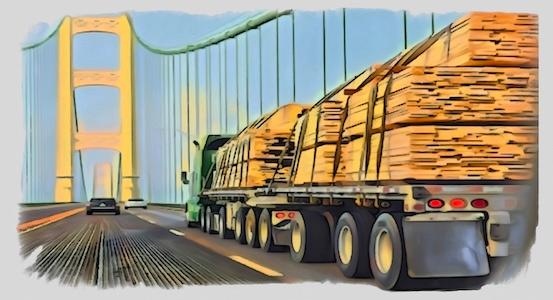
How 3PLs Keep Freight Moving When Markets Don’t Cooperate

Big freight, long relationships, volatile markets: that’s the territory NATCO navigates every day.
A third-party logistics provider, or 3PL, sits between shippers and carriers. You have freight that needs to move. There are thousands of carriers who can move it. The 3PL finds the right fit, negotiates the rate, manages the relationship, and handles the paperwork you don’t have time for.
Think of it as outsourcing your transportation department to people who live and breathe freight.
NATCO fits squarely into that ecosystem, with a specialty in flatbed, oversize, and heavy haul. We handle it all, and we specialize in loads that don’t fit in a standard dry van.
The carriers who can handle these are a select group. We’ve spent three decades building and maintaining those relationships, which means when you need to move something big, unusual, or time-sensitive, we already know who to call.
When the Market Tightens, Relationships Hold
That network matters most when markets get volatile, and right now they are.
A recent FreightWaves analysis put a sharp point on the challenge: when spot rates rise quickly relative to contract rates, carriers who were comfortable at one rate per mile suddenly have multiple calls offering considerably more for the same lane. Brokers scramble. Some cover loads at a loss just to keep the freight moving.
We won’t pretend that environment is easy. It isn’t, for anyone. But volatility is also where experience pays off.
When you’ve seen cycles come and go, you’re less likely to be caught flat-footed. Our carrier relationships aren’t transactional; they’re built on history. That means when capacity tightens, we’re not starting from scratch.
Markets shift. Spreads compress and expand. What doesn’t change is the freight that needs to move and the relationships that move it. That’s been our steadying principle for thirty-plus years, and it still is.